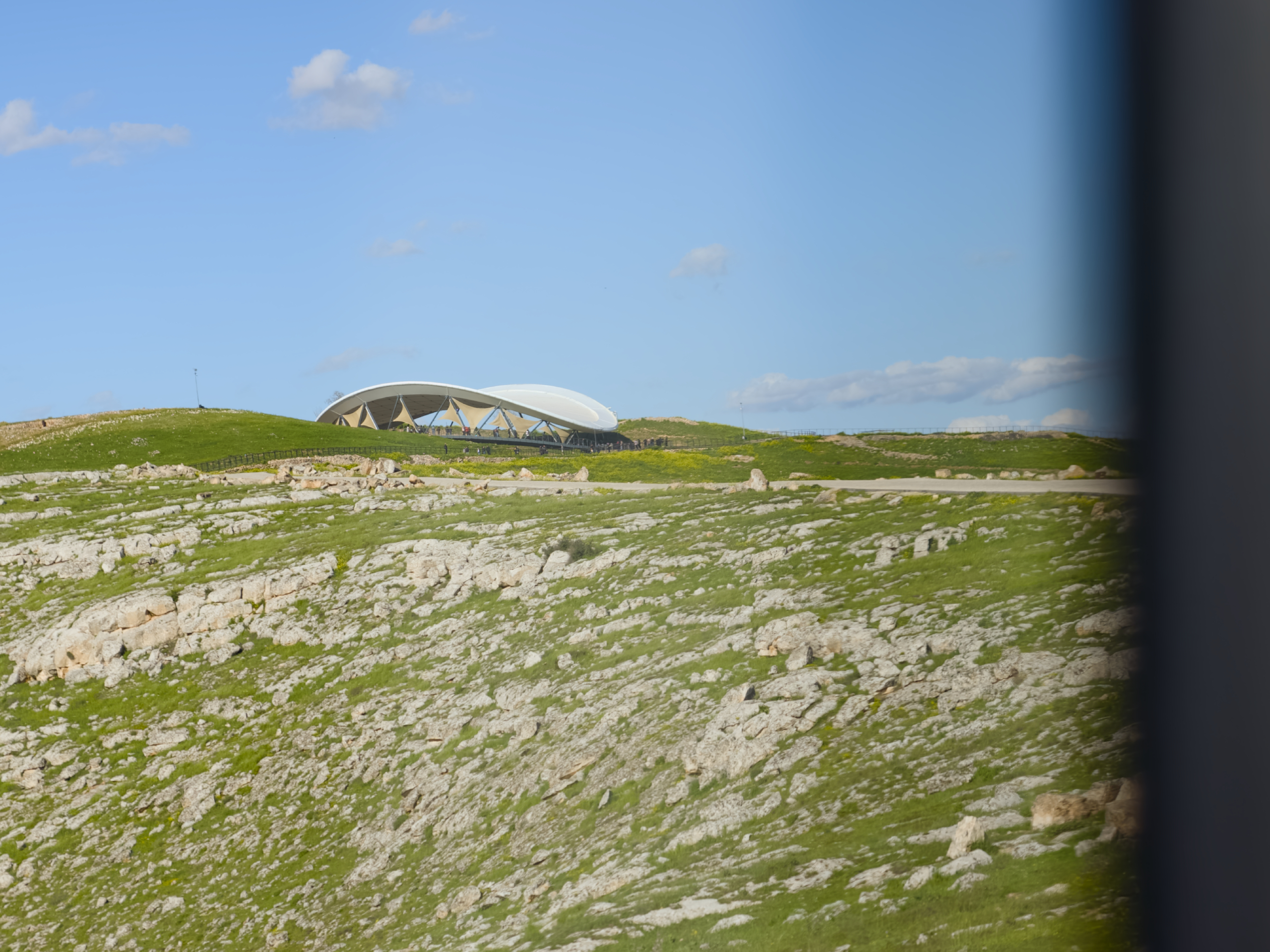
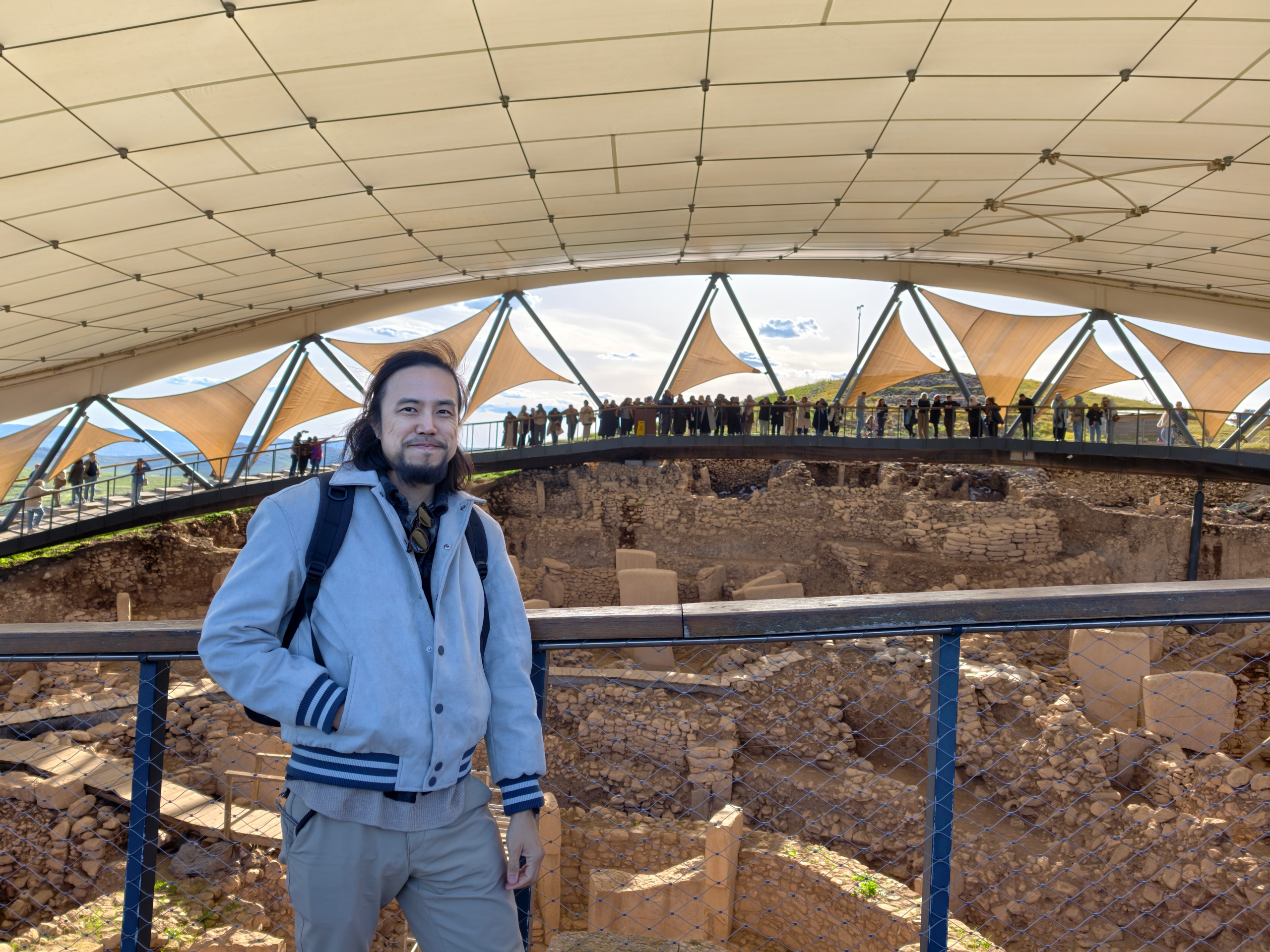
Sketches of Göbekli Tepe
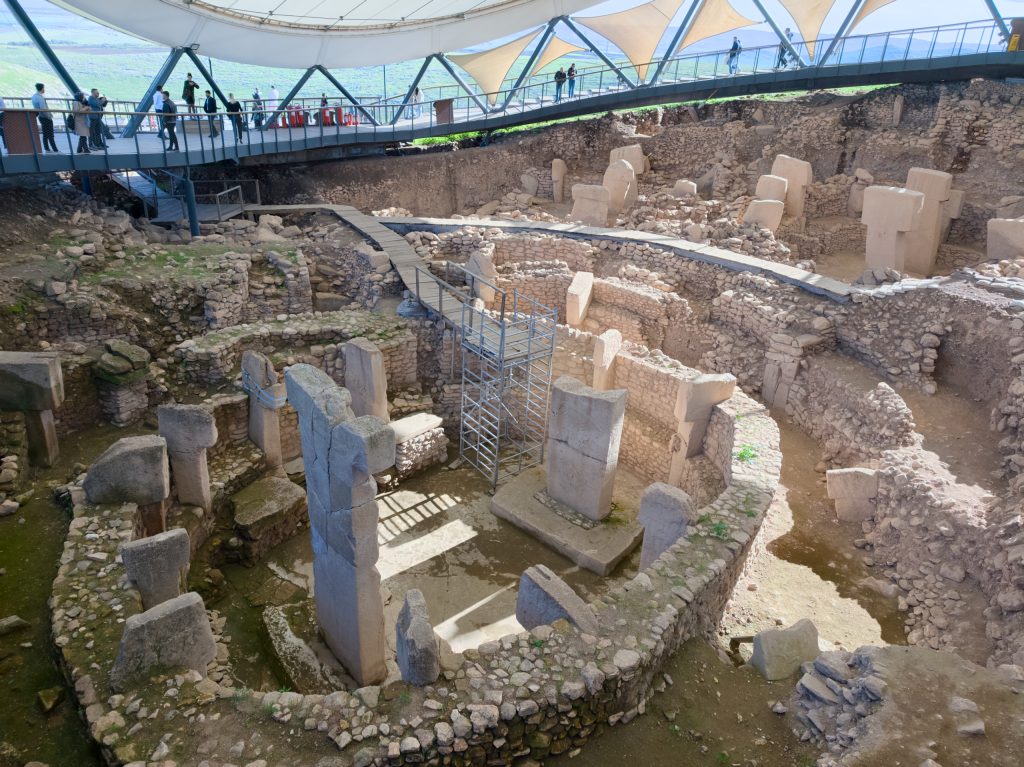
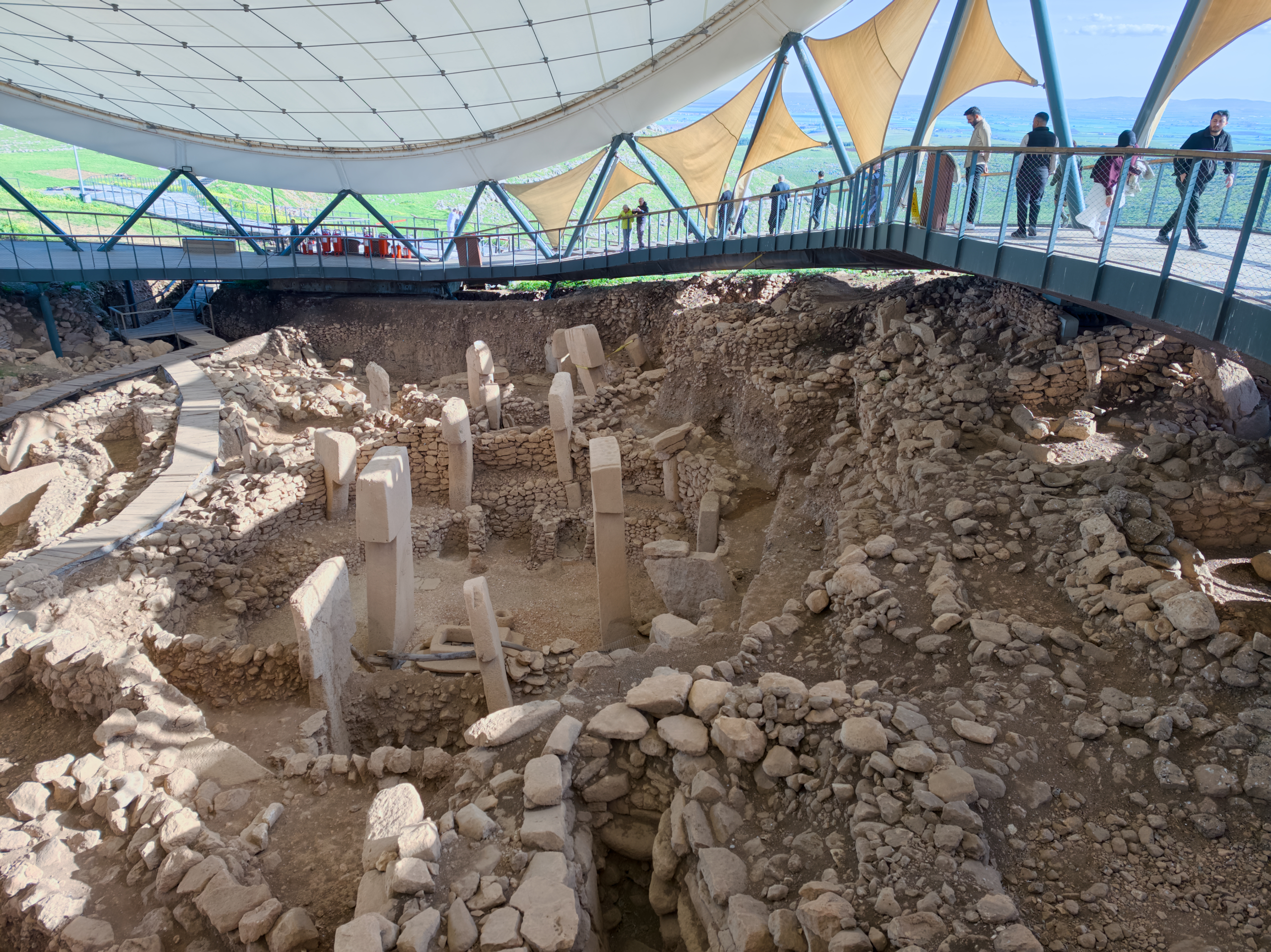
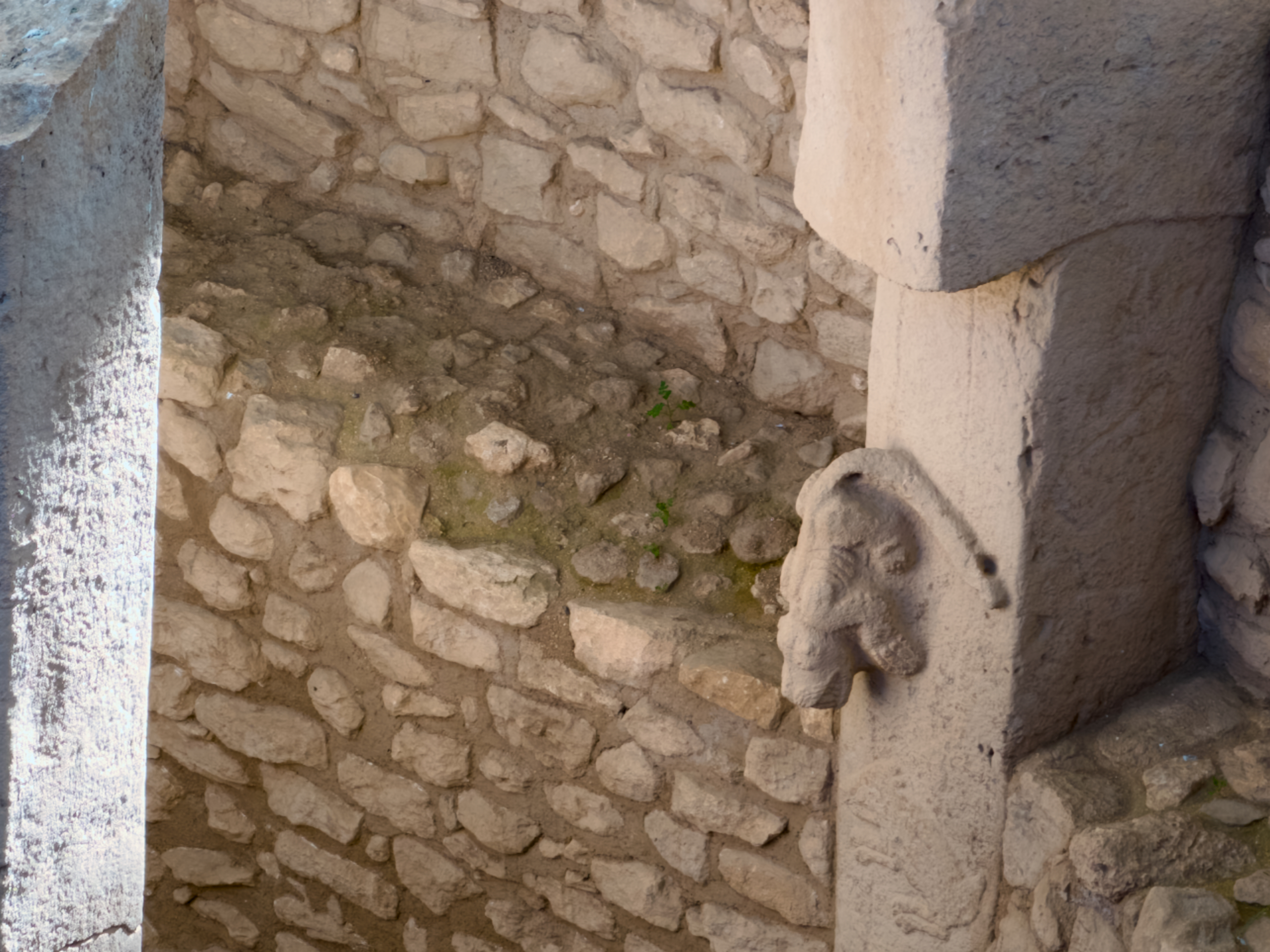
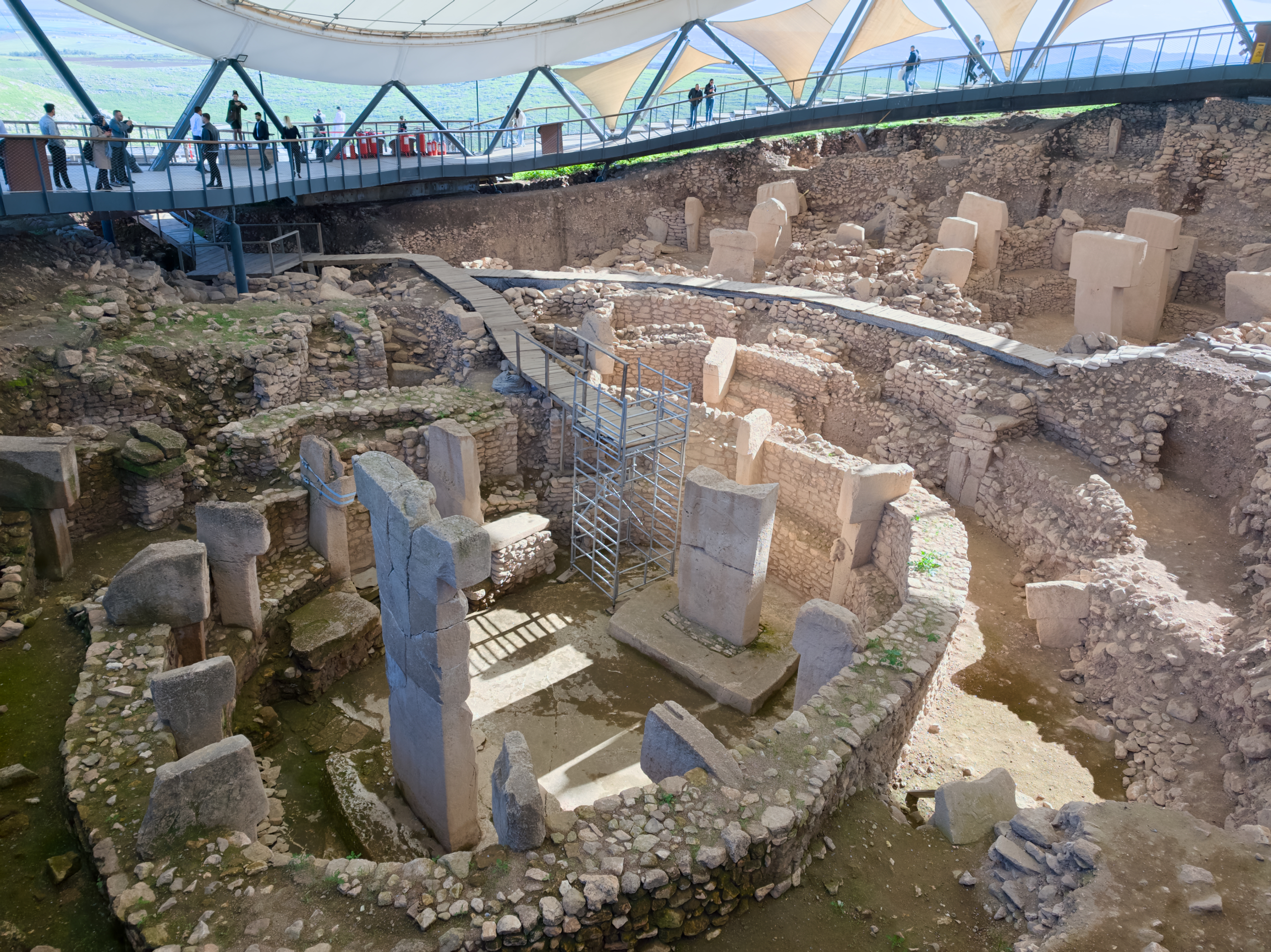
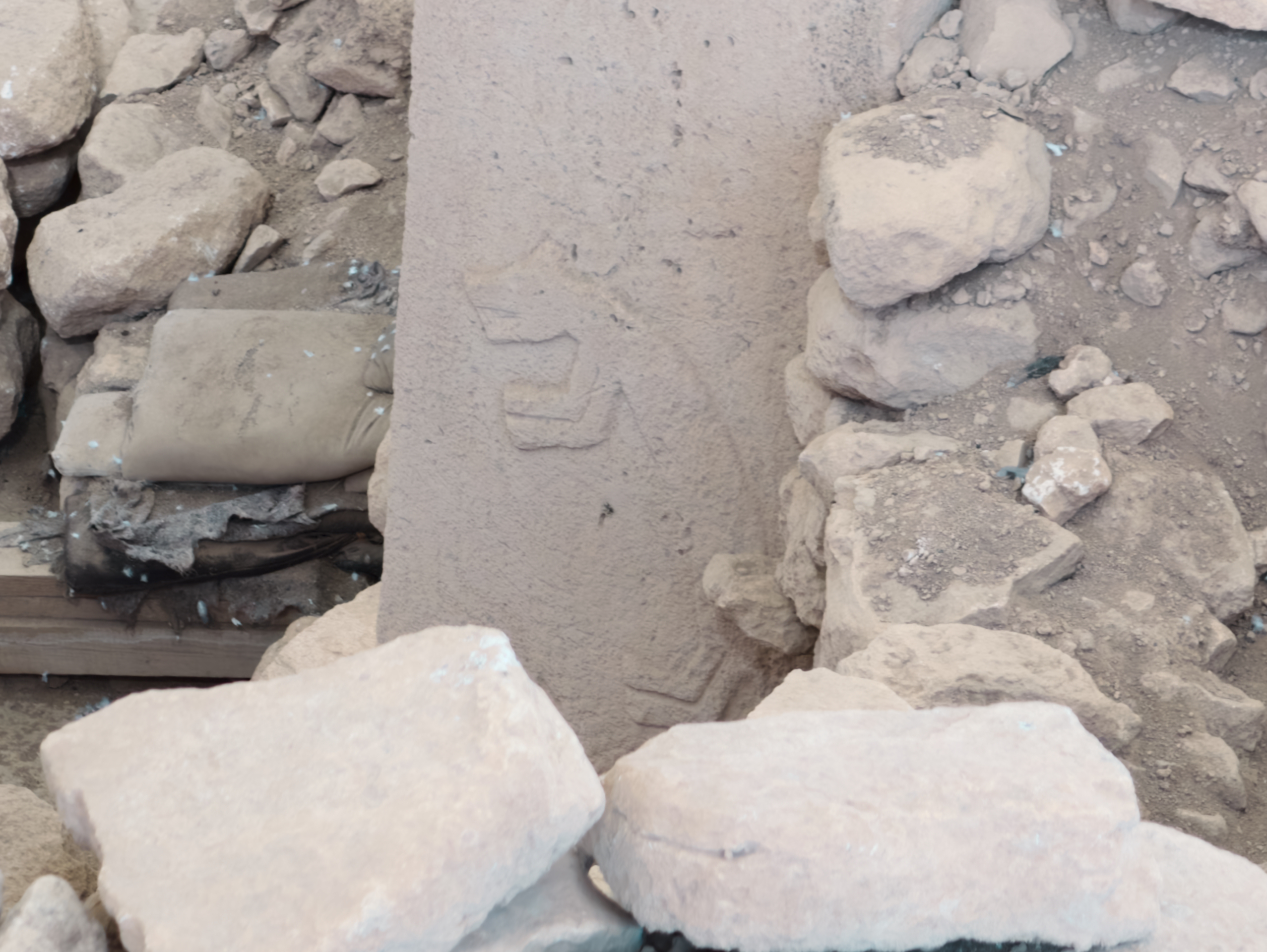
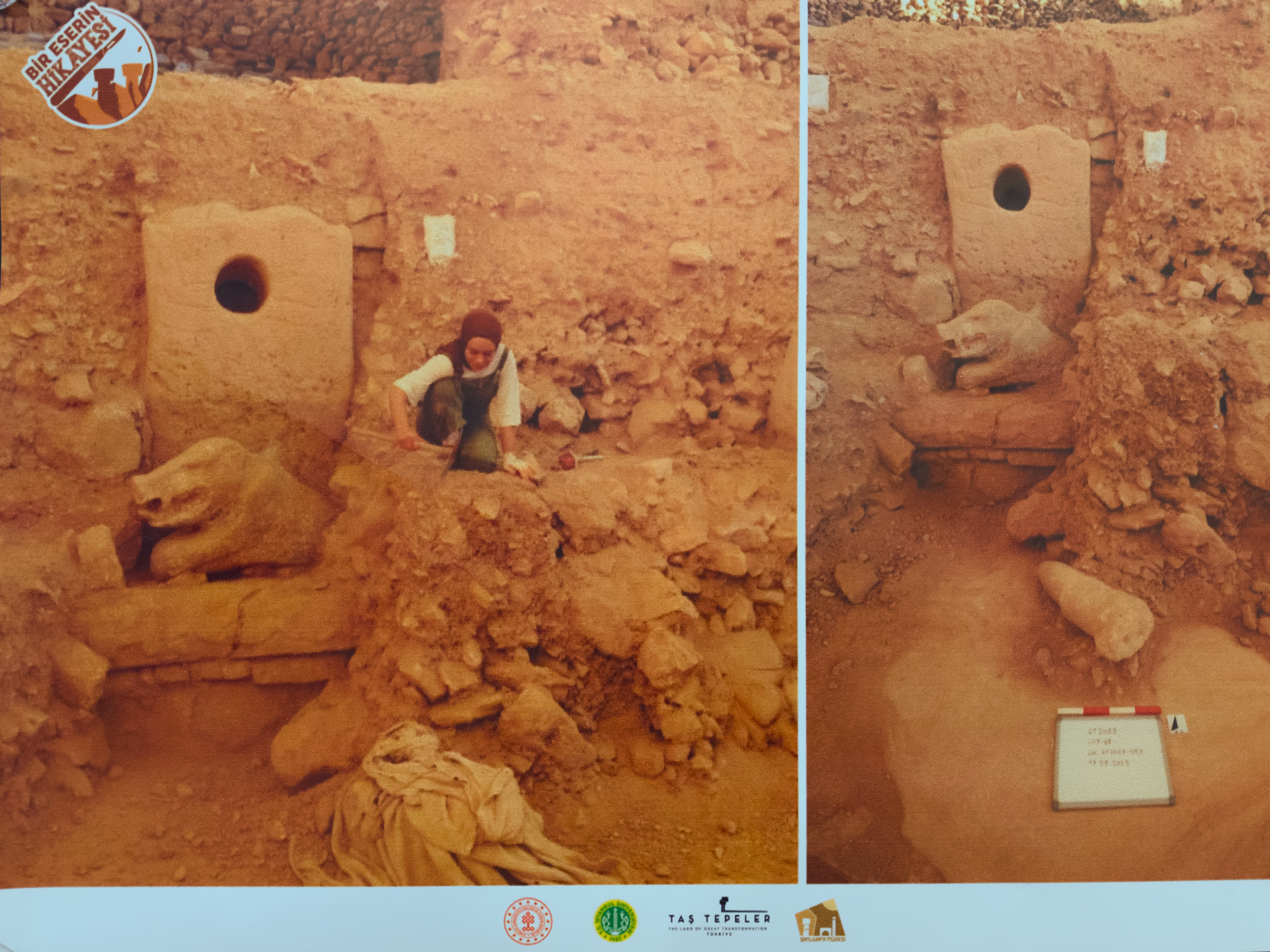
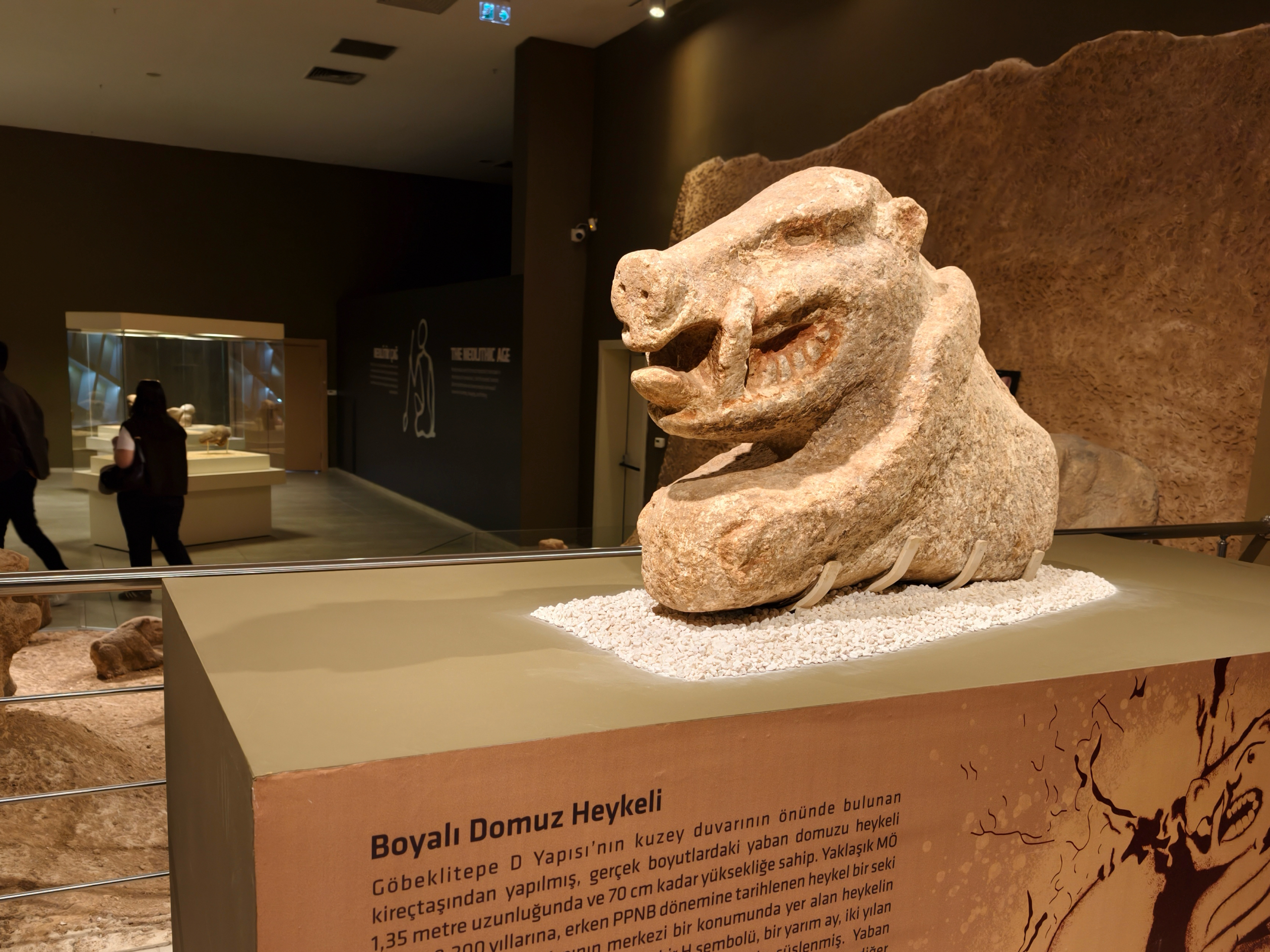
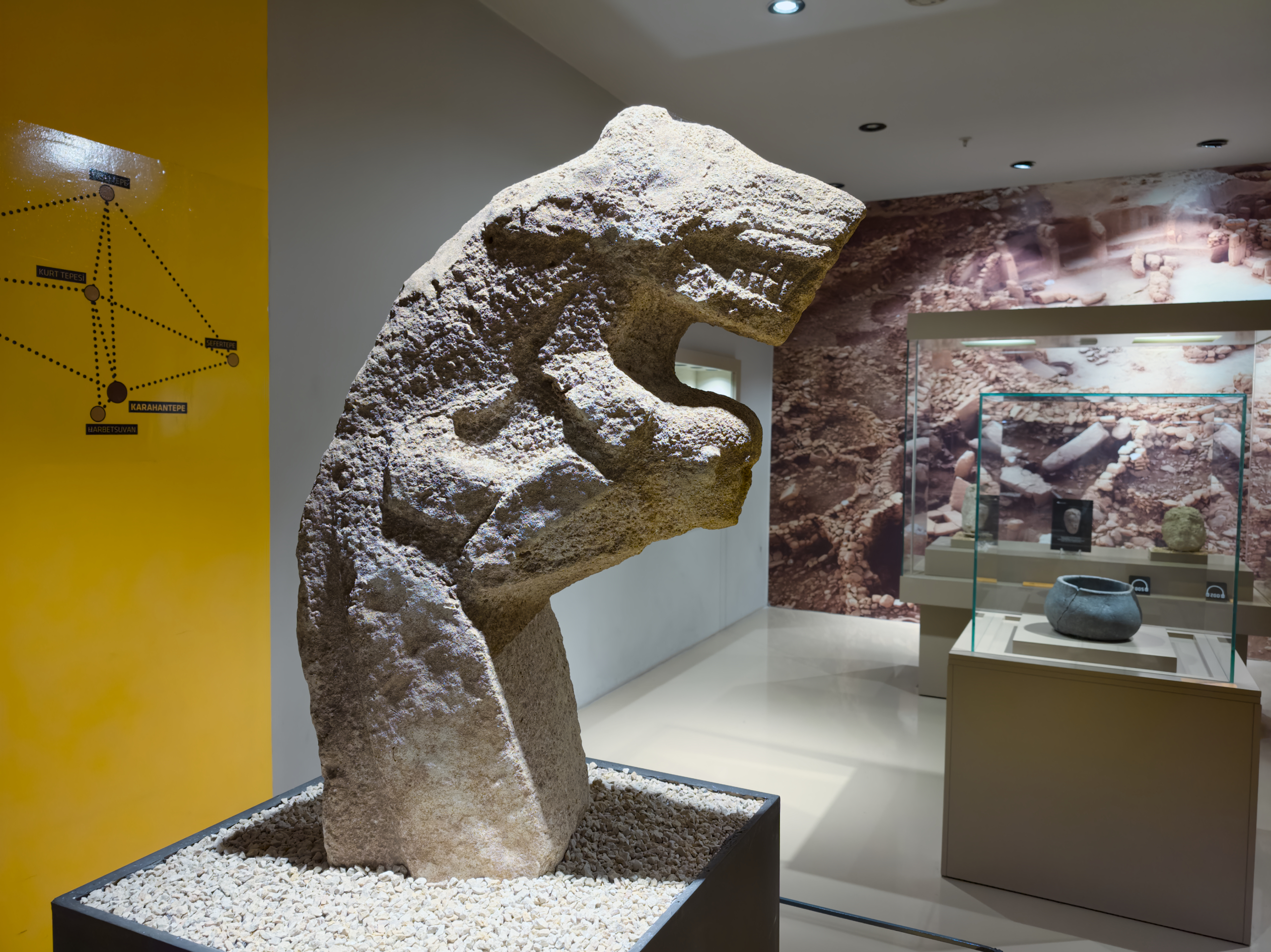
Göbekli Tepe has been a ‘want to go’ site on my Google Maps for many years. Having been properly discovered only about 30 years ago, it is still believed to be the oldest complex of human history, dating back as far as 10,000 B.C, seriously challenging the pre-established idea about the stages of human development.
Due to travel advisories the past weeks in Southeastern Turkiye, I did not originally plan to go there, but the inclement weather around Mt. Nemrut gave me the extra urge to drive there.
Gobelki Tepe, translating to Potbelly Hill in English, proves that complex human societies existed well before the time of agriculture, arguing that collective food production was not a requirement for building a community.
The simple idea that I was witnessing the earliest site of human history was a bit overwhelming. Realizing that this settlement precedes the Pyramids of Giza by over 7,000 years was beyond the capacity of my sense-making machinery – it was awe-some in the literal sense of the word.
While being grateful for the opportunity to feel for the space, I thought about how beliefs are central to shaping our understanding of the world and ourselves. As we use the term ‘human’, we naturally see them as our human ancestors, which makes us feel connected to them despite our profound differences. It is true that the word choice of ‘human’ is not arbitrary – one might argue that both of us share nearly identical genetic profiles. However, we are probably more of a product of the conceptual tools that we use to make sense of the world more than of genetic makeup alone. For example, I doubt that their ancient verbal vocabulary contained words such as society, meaning, and lineage. A modern human born into that ancient time would have grown up like one of them, and an ancient one born into the modern time would have had a world view identical to ours. Despite the connection enabled by the word human, it often leads us to see them as ‘less developed’ or perhaps unfortunate. But if we see them as they were, we can recognize them as ‘complete’ and self-sufficient – just as how we regard ourselves in our time.
14 April 2026
Göbekli Tepe, Turkiye
jfv40s
npFMvfeMeKIlVugUFZIkbQol
gz3mjr
The section provides a solid foundation for further trading research.
https://traderzo.com
this website samourai wallet
Whats Taking place i’m new to this, I stumbled upon this I’ve found It absolutely helpful and it has aided me out loads. I am hoping to contribute & help other users like its aided me. Great job.
Fascinating blog! Is your theme custom made or did you download it from somewhere? A design like yours with a few simple tweeks would really make my blog stand out. Please let me know where you got your theme. With thanks
bOMqMksAFQOcCrnvUISLYb
Göbekli Tepe gerçekten de insanlık tarihine dair bildiklerimizi altüst eden bir yer. Yazıda değindiğiniz gibi, tarımdan önce karmaşık toplulukların var olabileceği fikri hâlâ çok çarpıcı. 7.000 yıl farkını düşünmek bile zihni zorluyor; orada olup bunu hissetmek bambaşka olmalı. “İnsan” kelimesinin bizi geçmişe bağlarken aynı zamanda onları eksik ya da az gelişmiş görmeye itmesi de çok yerinde bir tespit; onları kendi zamanlarında tam ve kendine yeterli görmek gerekiyor.
模板库推广
Göbekli Tepe has been on my map for years too, so reading this felt familiar. The point about a modern human raised in that ancient time growing up like one of them is a striking way to put it, and it reframes the usual instinct to see earlier people as less developed.
FreezeTag
Göbekli Tepe has a way of scrambling your sense of scale — standing there, the gap between us and them shrinks to almost nothing. I like your point about concepts doing more work than genetics; “society” and “lineage” are tools we invented, not facts we inherited. Maybe the real awe isn’t that they were like us, but that they were fully themselves without needing our vocabulary.
Dressmaker Wiki
The idea that someone from Göbekli Tepe raised today would share our worldview, and vice versa, is a striking way to frame it. It shifts the focus from genetic continuity to the conceptual tools each era provides, which makes the site feel less like a distant curiosity and more like a mirror.
aion2rifttimer.online
It’s striking how much of what we assume about “progress” rests on a fairly narrow idea of what counts as a complex society. The point about a modern person raised there and an ancient person raised here ending up with each other’s worldviews feels like the sharpest way to put it.
wortb.com
Göbekli Tepe really does upend the old assumption that agriculture had to come before complex society. The observation that a modern person raised there would have shared their worldview, and vice versa, is a nice way to avoid casually ranking past humans as “less developed.”
dressmakersteamgame.wiki
Interesting reflection on how the word “human” both connects us to and distances us from the builders of Göbekli Tepe. The point about a modern person raised in that era would have shared their worldview is a genuinely useful way to think about it—though it also raises questions about what “complete” and “self-sufficient” really mean across such vast stretches of time.
牛来电影指南
The reframing here is the part that stays with me: calling them “complete” rather than less developed asks us to drop the ladder metaphor entirely. The observation that a modern infant raised there would have grown up like one of them, and vice versa, is a clean way of separating genetic similarity from the conceptual toolkit that actually shapes a worldview. Standing somewhere that predates Giza by seven millennia would probably break my sense-making machinery too.
Hood Warfare 2
https://www.tiroavolobologna.it/